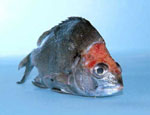
 Pathogens include bacteria, viruses, protozoans and fungi, and are causative agents of disease. Unsafe densities of pathogens in coastal waters can lead to restrictions on shellfish harvesting, fish kills and if ignored or unnoticed, to health problems in humans and other organisms.
View a conceptual model of potential causes of a change to pathogens and the condition responses observed as a result of this change.
Potential indicators
The information presented here is from the publication Users’ Guide for Estuarine, Coastal and Marine Indicators for Regional NRM Monitoring . There are a number of causes and symptoms related to this stressor. The following indicators are recommended for the stressor ‘Bacteria / pathogens’:
Pressure indicators
Indicators of bacteria/pathogen sources:
- Level of sewage treatment plant wastewater disinfection
- Frequency of sewage overflow events
- Percentage of catchment under intensive animal production
- Density of septics within catchment
- Number of stormwater outflows per km estuary
- Number of ‘marine’ aquaculture facilities present
- Boat moorings
Indicators of direct pressure:
- None
Vulnerability indicators
Condition indicators
Physical-chemical condition indicators:
- Intestinal enterococci counts
Biological condition indicators:
- Number of mass mortality events caused by pathogens
| Possible causes | Possible symptoms |
The actions/events/situations that might induce this stressor:
|
The actions/events/situations that might arise from a change to the stressor:
|
Background science
Other information on pathogens
Australia
Estuary Condition Assessments. Choose your estuary from the list. If available, you can download an estuary condition assessment for the estuary, which provides pathogen data where available.
New South Wales
Sydney Water Quality Monitoring Program. Water is tested for Cryptosporidium and Giardia according to a monitoring plan agreed to by NSW Health. Some data is available from this site.
Victoria
Melbourne Water Quality Monitoring Program. Monitoring is undertaken at key recreational locations during summer for E. coli (20 sites) and blue-green algae (30 sites). Water quality data and various stream health reports are available from the Melbourne Water web site.
Models
Australia
Inflow is a simple web-based tool for predicting the dilution, travel times and insertion depths of riverine inflows. The model will also give an indication of the approximate timescale for reduction in viable Cryptosporidium concentrations.