The number of people in coastal cities and towns is a suggested indicator for State of the Environment reporting (e.g. Indicator 7.6 in the Estuaries and the Sea volume) 1.
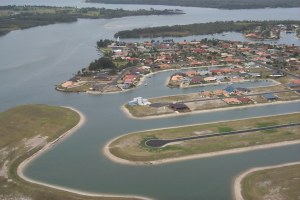
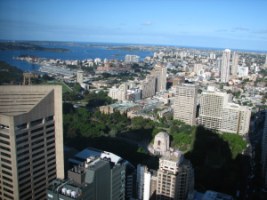
Photo 1. (a) Canal estates near Tweed, NSW and (b) view out to Sydney Harbour (photos by Emma Murray)
Coastal issues arising from coastal populations
Many of the factors that degrade coastal environments are related to the size of the local human population (both resident and transient) 1. Those factors include the density of roads, housing and other infrastructure, and can contribute to the degradation of coastal waterways through:
- the destruction of critical habitat by trampling and for development purposes;
- changed freshwater flow regimes due to dam and weir construction, stormwater discharges and urban allocations; and
- contaminants discharged in stormwater and other coastal discharges (including nutrient and industrial point sources).
The above impacts can give rise to eutrophication and runoff from acid sulfate soils and related issues (e.g. algal blooms, anoxic & hypoxic events, fish kills and shellfish closures), and can contribute to and to an overall reduction in biodiversity.
Existing information and data
More information on coastal population as an indicator can be found in the Estuaries and the Sea volume of Environmental Indicators for National State of the Environment Reporting 1.
- Ward, T., Butler, E. and Hill, B. 1998. Environmental Indicators for National State of the Environment Reporting, Estuaries and the Sea, Commonwealth of Australia, pp. 81. ↩ ↩ ↩